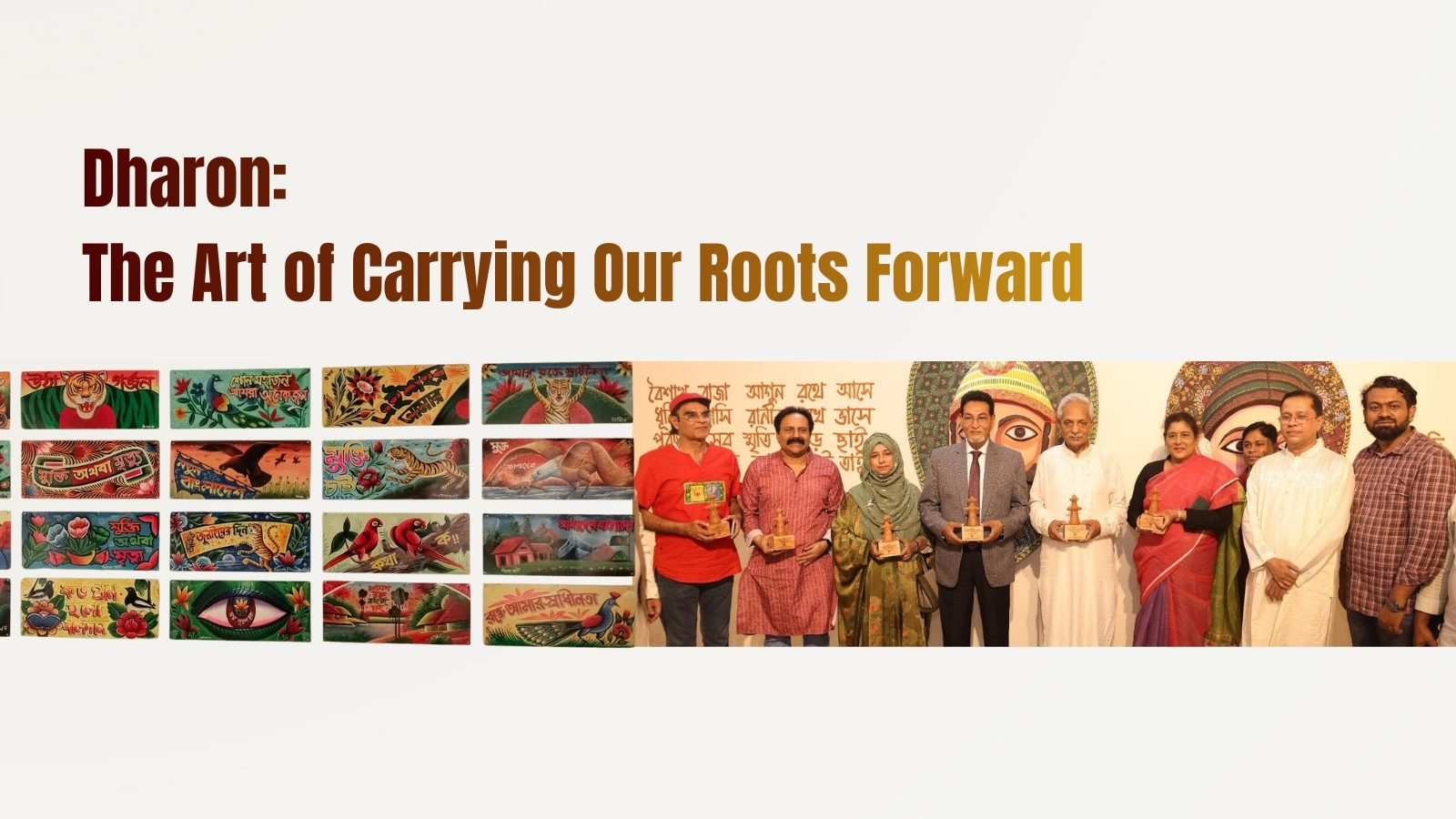
The exhibition “Dharon” at the Bangladesh Shilpakala Academy unfolded like a gentle act of rediscovery. Stepping into the gallery felt like walking through the vivid chapters of Amar Bangla Boi. The familiar quietude of Gramyo Mela, Lokshilpo, and Boishakhi Mela—once confined to textbook pages came alive in a way that felt both nostalgic and urgent.
Organized by the Fine Arts Department of the Bangladesh Shilpakala Academy and curated by Jinnatun Jannat alongside co-curator Ayesha Nazmin, the exhibition unfolded from April 13 to 30 as a gathering of living traditions.
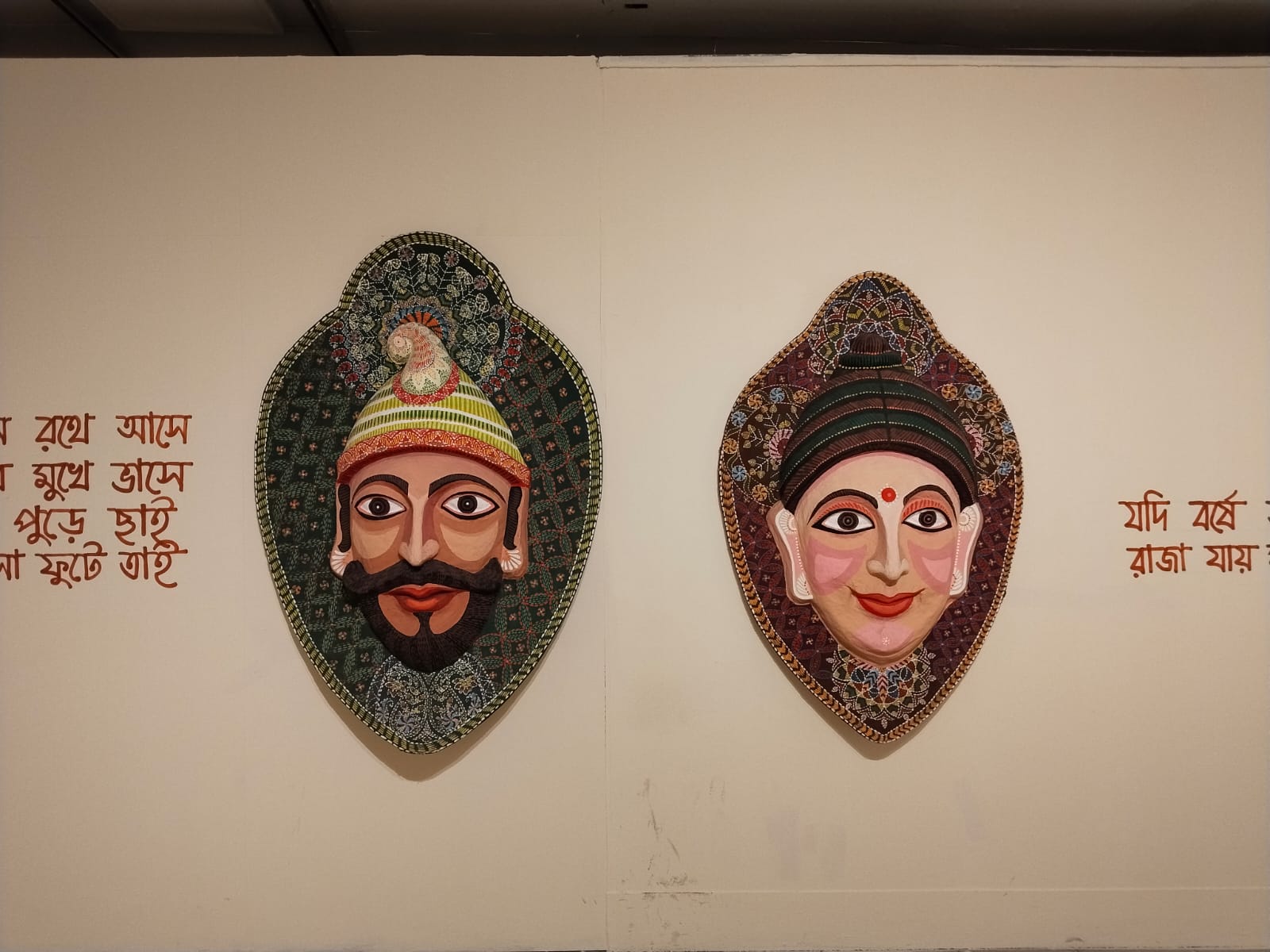
Within its space came together five distinct forms of Bangladeshi artistry—Nakshi Kantha, Pattachitra, bamboo craft, clay dolls, and rickshaw art, each carrying its own narrative of heritage and expression.
A Window into Rural Mastery
Growing up in the capital, the idea of a mela (fair) always felt distant—fascinating, yet rare. It was a place where craftsmen from across the country gathered to sell their heritage goods, often at modest prices.
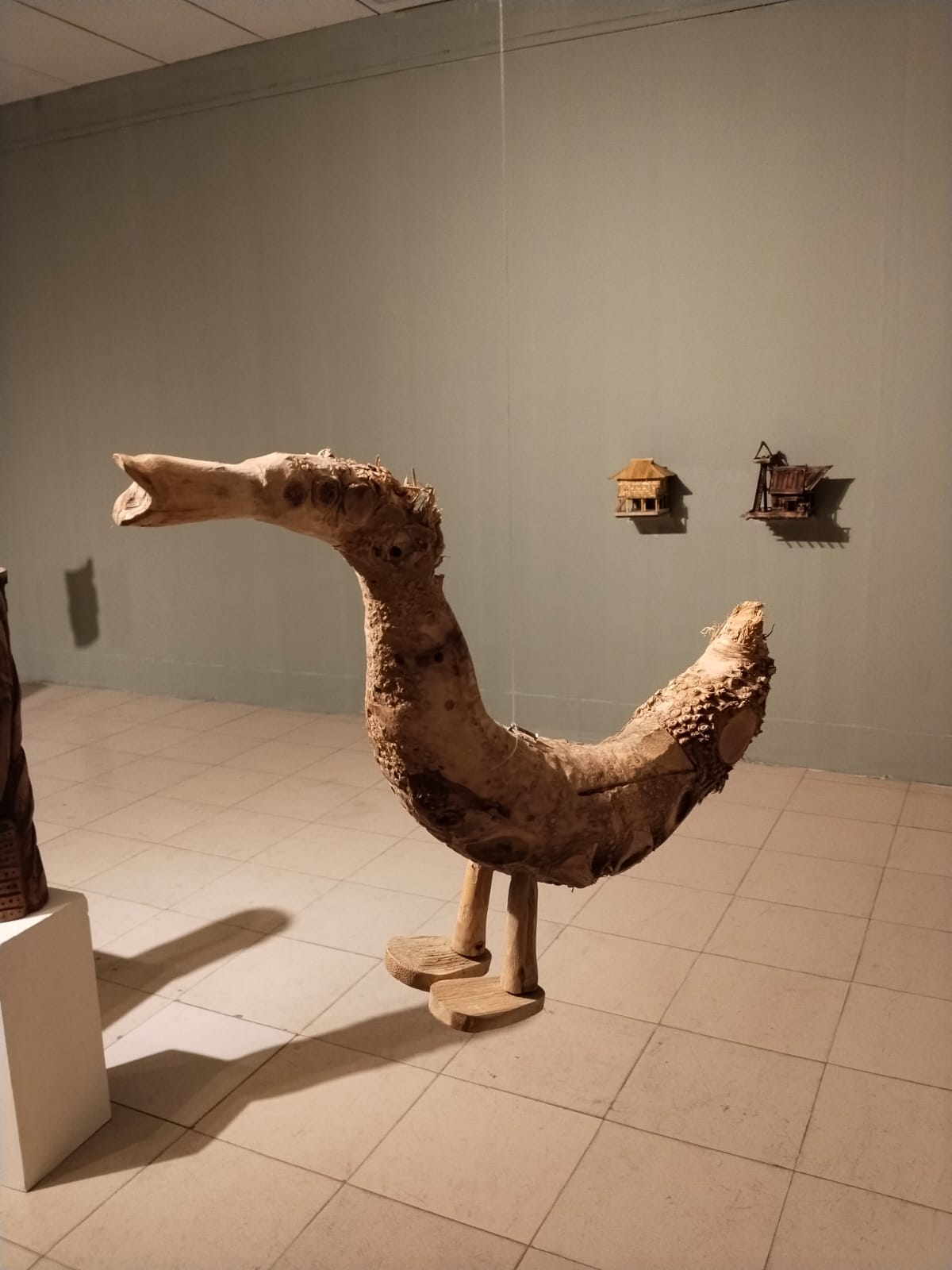
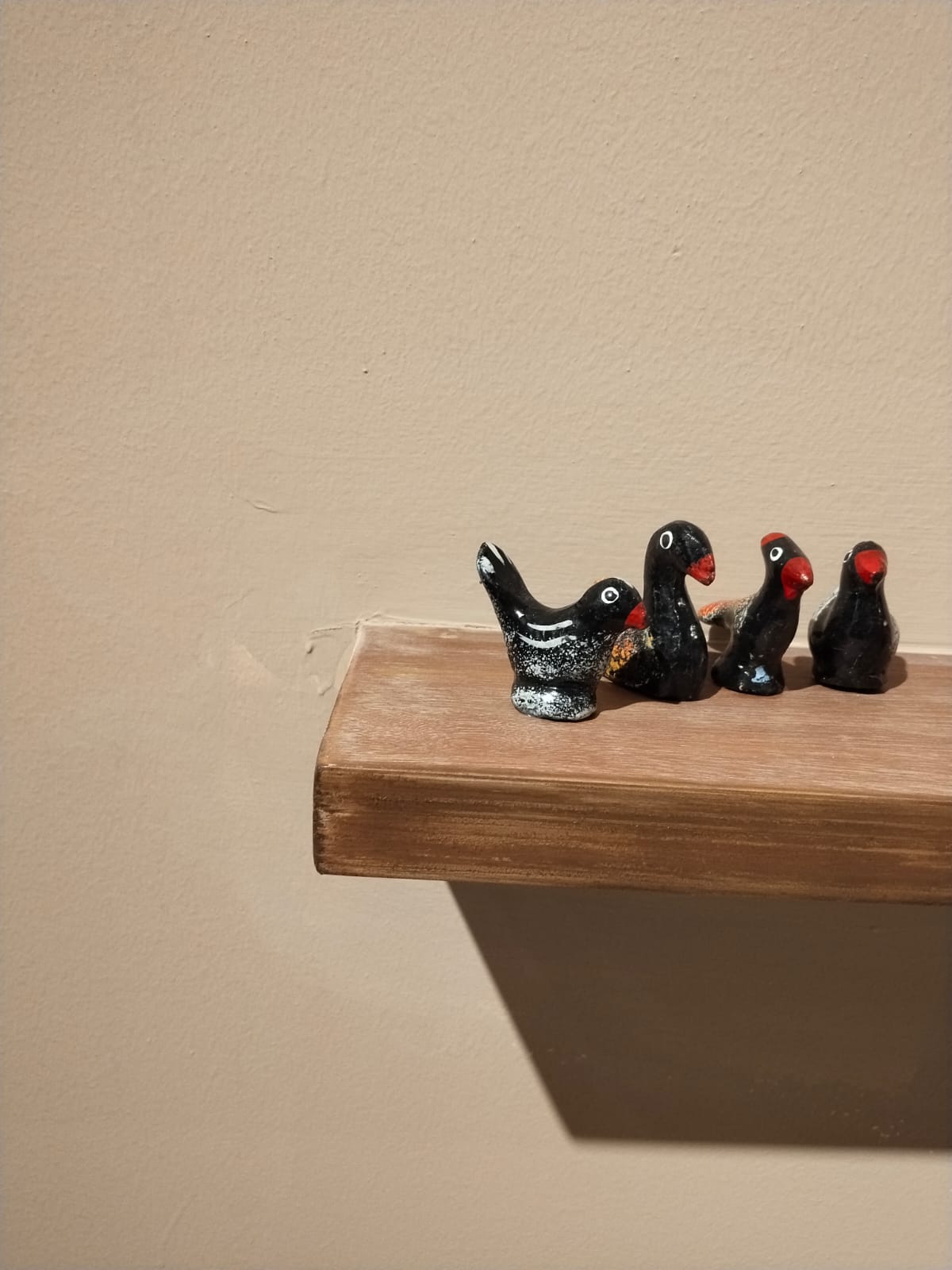
This exhibition, however, opens a window into a world far beyond the accustomed sculpture like “tepa putul” (pressed clay dolls).
From peacocks to cats and even tigers, our local artists shaped local animals into distinctive forms, each carrying its own unique artistic interpretation.
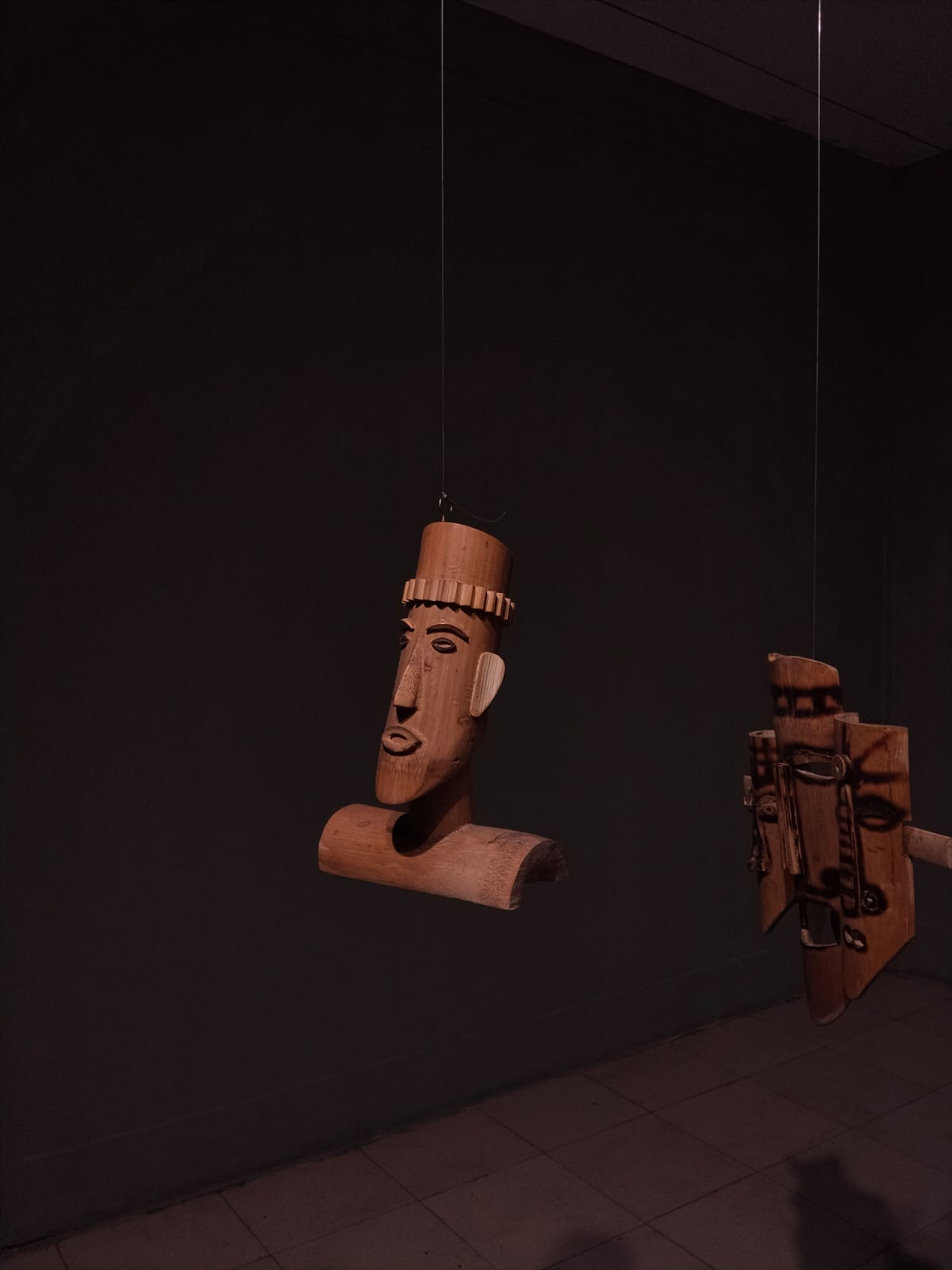
Alongside familiar clay figures, there were intricate sculptures crafted from bamboo, showcasing the remarkable versatility of our natural materials.
The Pattachitra unfolded like a story in motion—each frame flowing into the next, carrying fragments of myth, memory, and everyday life.
Every corner of the gallery adorned with our own cultural expressions, left me awestruck.
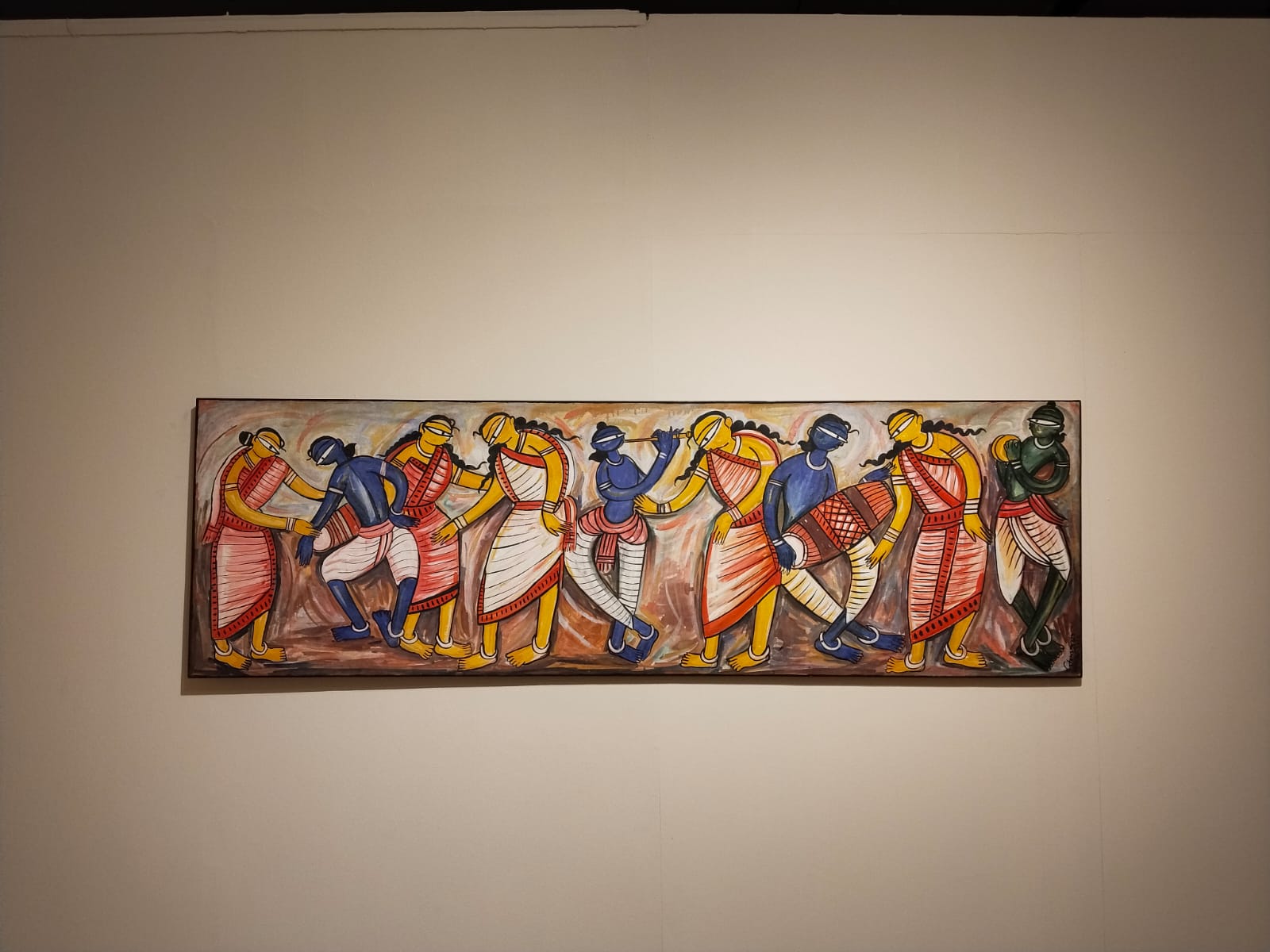
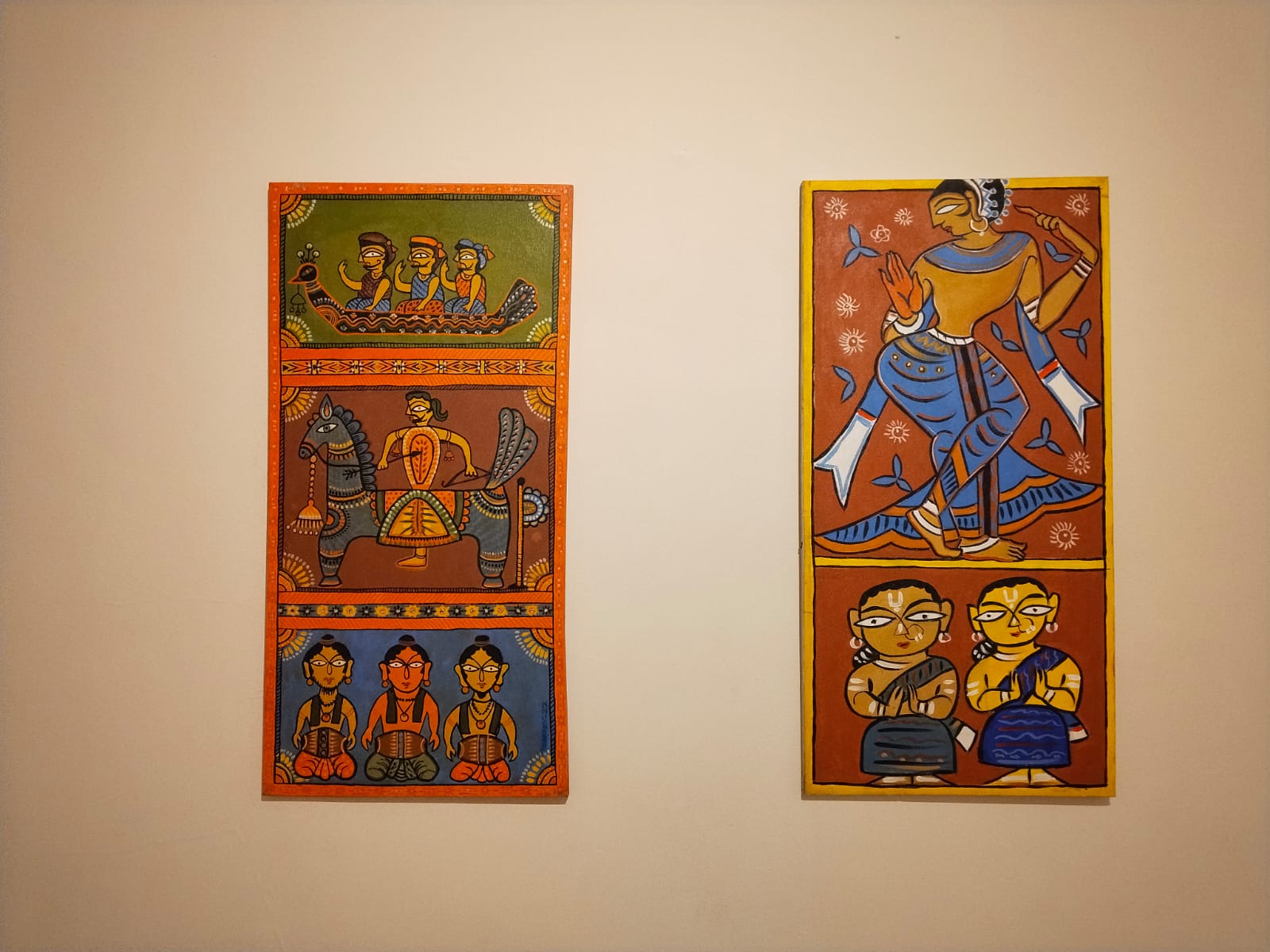
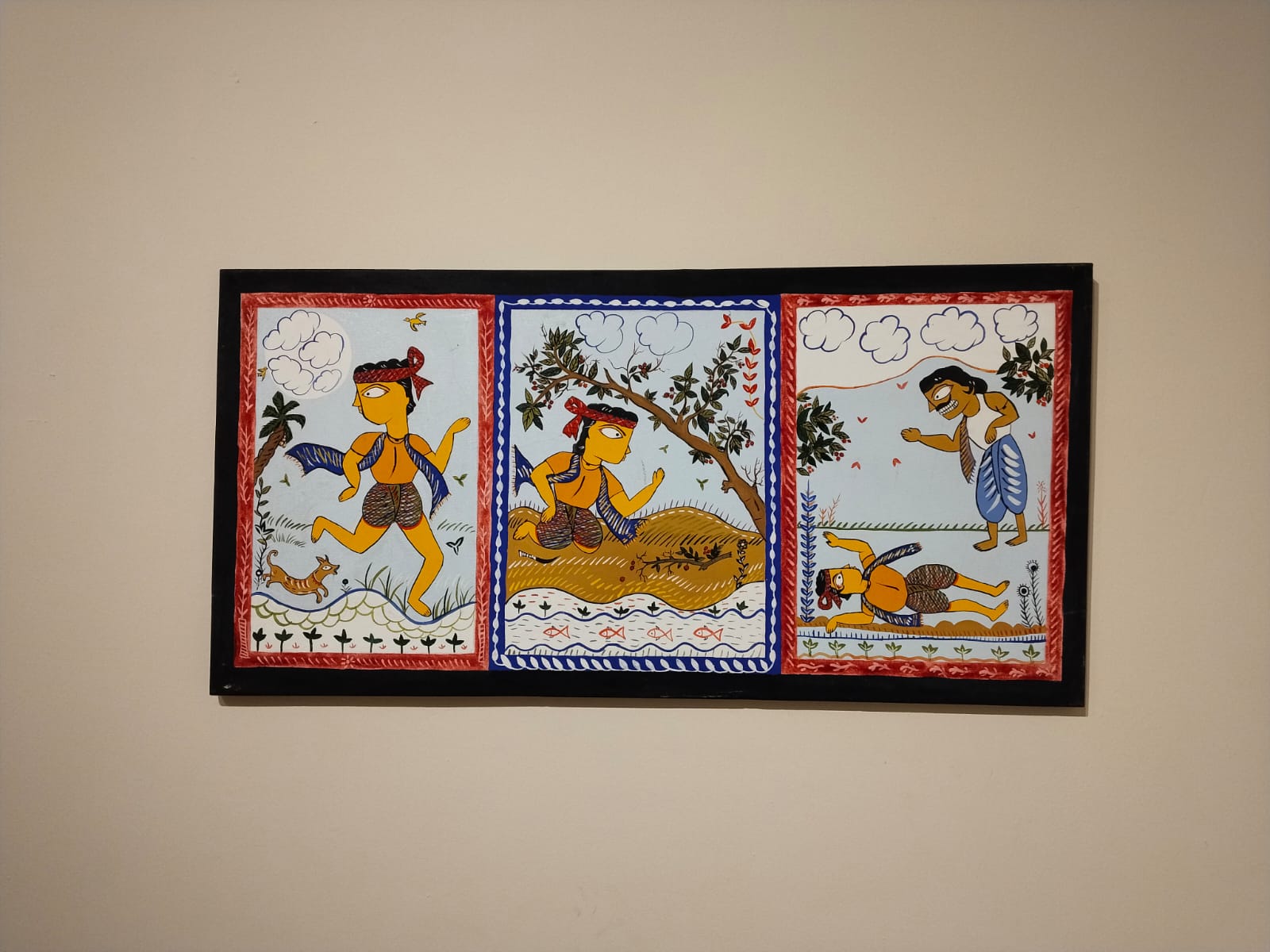
Before formal “art” institutions existed, people created what they needed with what they had. Old cloth turned into kantha through hand-stitching. Bamboo and jute were shaped into tools, toys, and decorations.
These weren’t made to be called “art”, instead they were made to be lived with, eventually becoming the fabric of our culture and heritage.
To someone unfamiliar with Bangladeshi culture, these forms might appear “naive”. However, one must look deeper into the stories behind this body of work and recognize the new generation of rural artisans who continue to reimagine and preserve this craft on their own terms.”
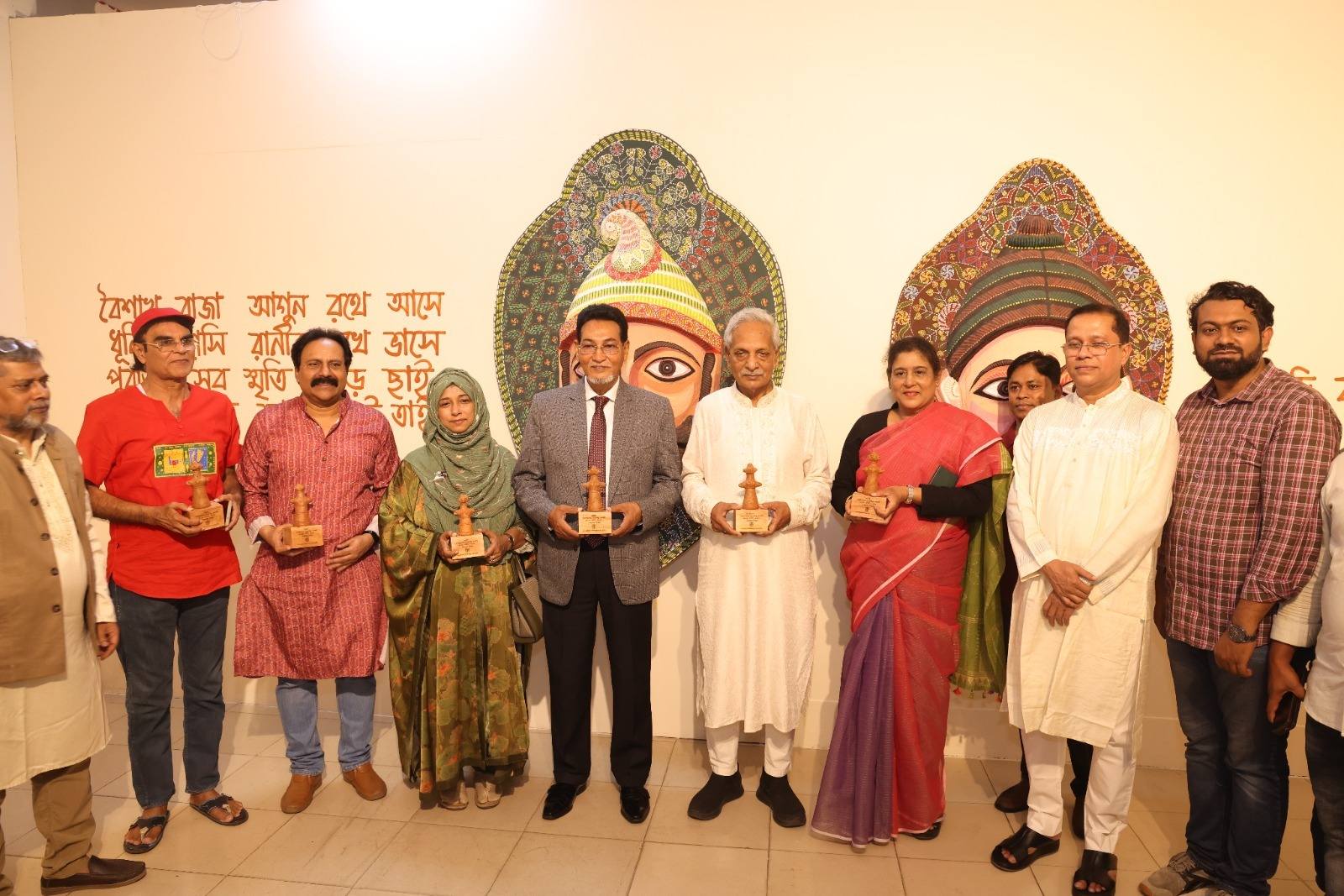
Folk Art as a Revolutionary Language
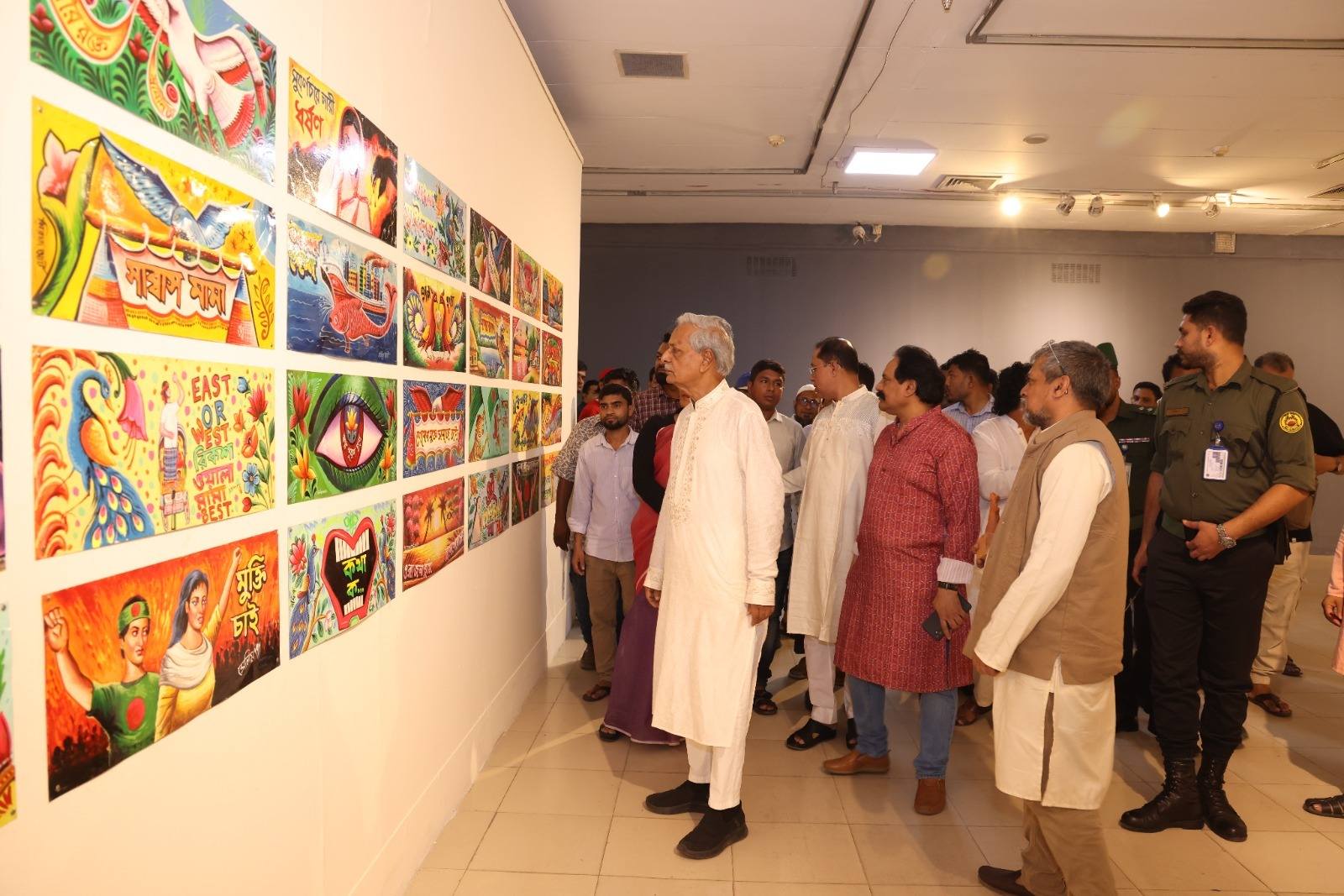
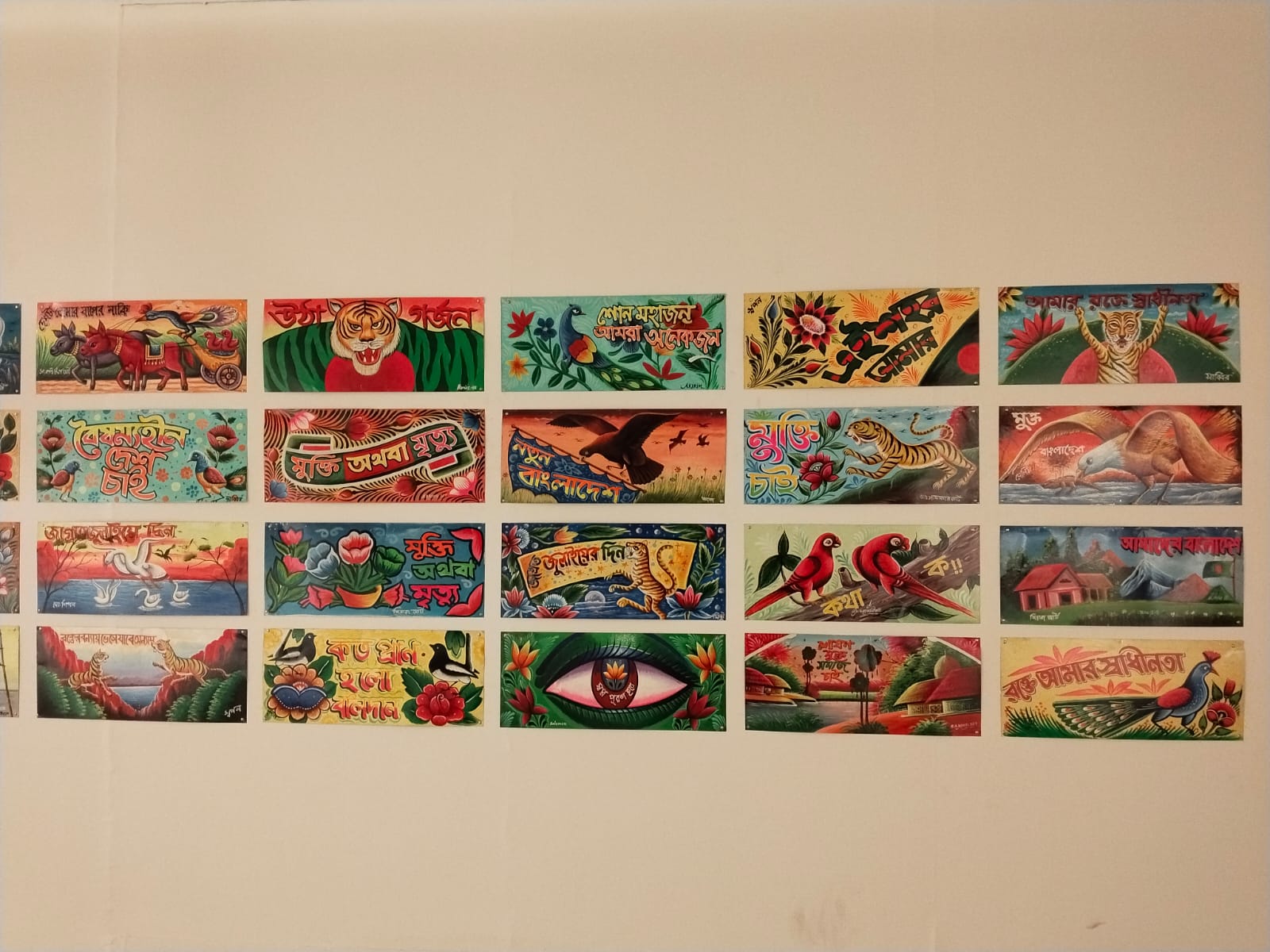
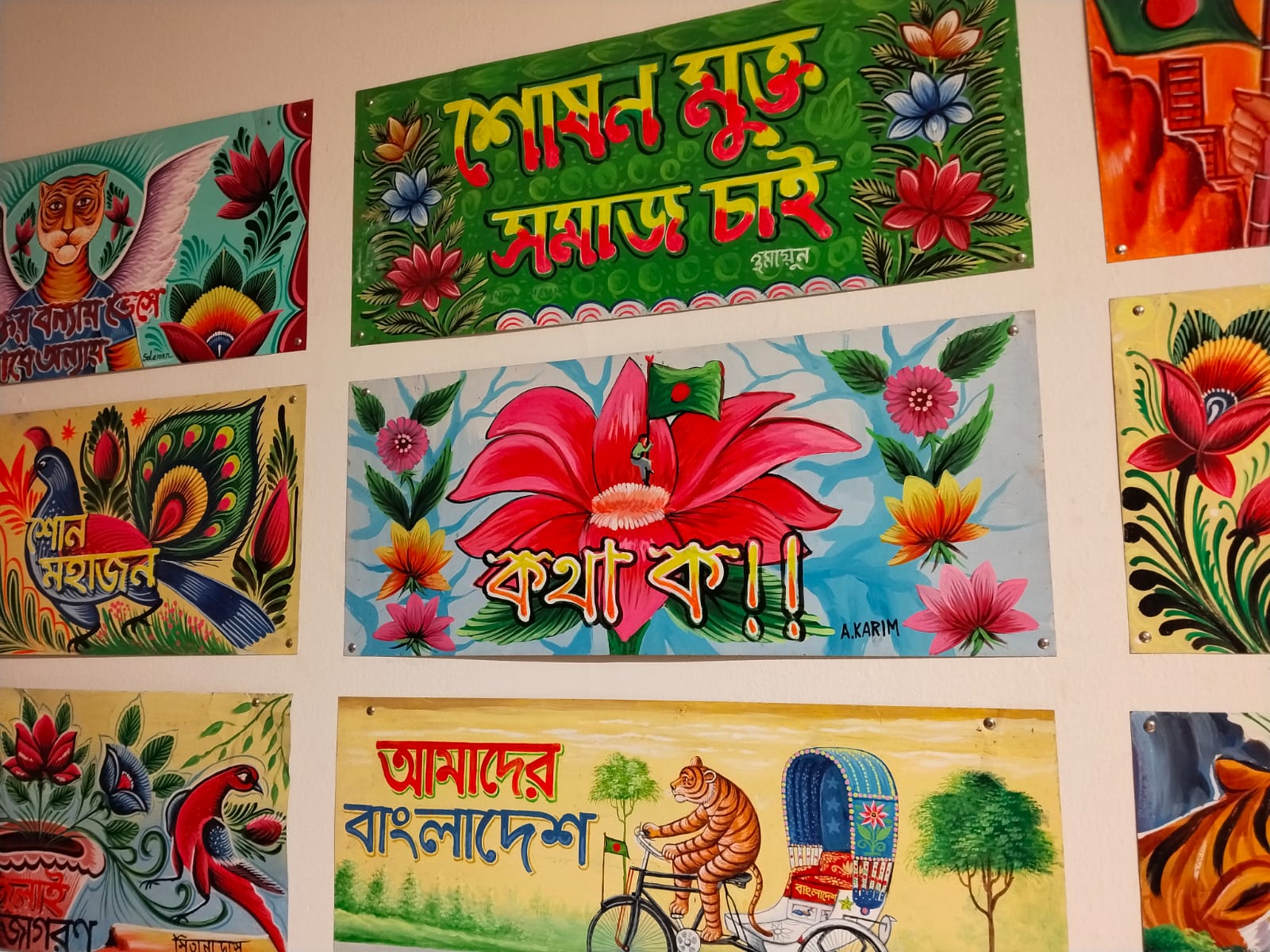
What hooked me in the exhibition was seeing the slogans of the July Revolution woven into Nakshi Kantha and painted onto rickshaw art.
Whether through the intricate stitches of a Nakshi Kantha or the bold strokes of a rickshaw art, the displayed works captured personal and political responses to the July 2024 Mass Uprising, transforming folk art into an active, living language.
It was a moment that forced viewers to pause—not because of a forced juxtaposition, but the possibilities of integrating our deep-rooted heritage into a contemporary, revolutionary form.
“Dharon” as a Method
Most of the works displayed there came from grassroots creators, person collections, field visits and others sourced from the Shilpakala Academy’s collection.
The curator noted that limited time made it difficult to fully represent the depth of the work, adding that at least a year of travel across the country would have allowed a more complete and fair documentation of the artists.
While we move faster into a digital future, our heritage naturally takes a back seat.
Even though we know these traditions are part of who we are, we rarely make real space for them. The title “Dharon” means to hold, carry, or contain, encourages us to slow down and let these traditions grow without losing their roots.